
Higher mortgage rates, uncertainty causing all hot markets to cool
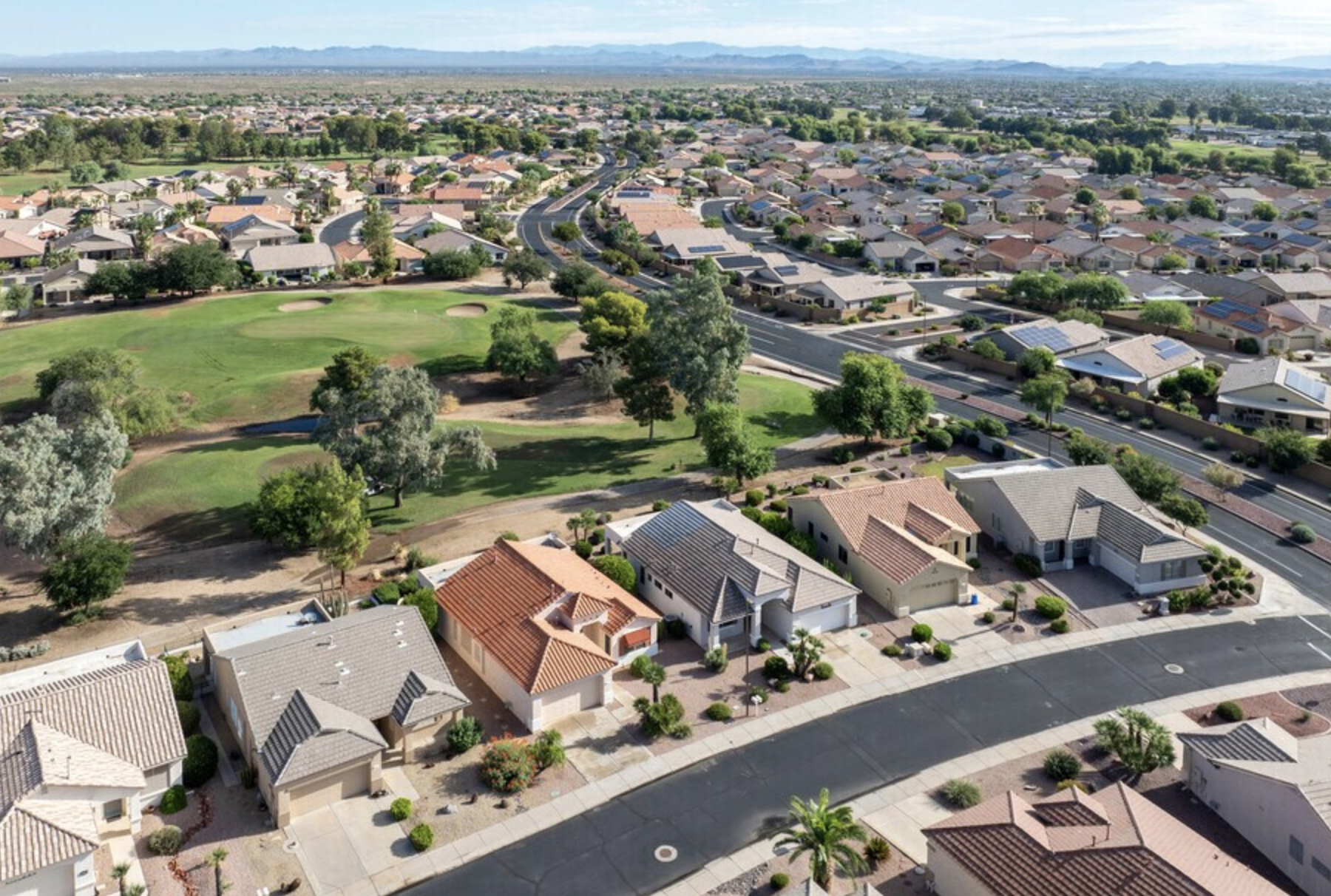
It’s becoming more expensive to enjoy the idyllic Arizona lifestyle in metro Phoenix, due mostly to higher borrowing cost and political and economic uncertainty.
MAP Strategies Group
Earlier this year, housing market experts were largely in agreement on one thing: Mortgage rates would start coming down.
American City Business Journals reports that a Bankrate analyst in January said rates could fall below 6 percent for the first time in more than three years. Zillow research forecast rates slightly above 6 percent for 2026 but was somewhat optimistic rates could fall to 5.8 percent. Fannie Mae also predicted rates could settle close to 6 percent, a decline it said would support higher sales and improved affordability.
Instead, the 30-year fixed rate mortgage average in the United States has slowly risen, reaching 7.4 percent as of last week. That's causing a ripple effect for sellers, buyers, lenders and some new homeowners unable to pull the trigger. Political and economic uncertainty, 'locked in' homeowners, and the high cost of borrowing has caused pending home sales to drop in all top 50 metro areas – including Metro Phoenix.
Median sale prices in the Valley dipped 1.3 percent year over year to $458,944, Redfin research shows, with pending sales down 9.8 percent and the share of homebuyer closings that have crumbled rose 18.4 percent since the same time last year. All of this indicates an uncertain, cautious, or perhaps, unsteady situation.
MEANWHILE
Other factors are weighing on residential real estate, and even dissuading some from considering a relocation, MoneyLion.com reports.
Homeowners’ and fire insurance have become two of the fastest-changing cost factors for Arizona homeowners. In fact, Arizona homeowners saw 20 to 40 percent insurance rate hikes in 2026, driven by wildfire zone remapping across Prescott, Flagstaff, the Mogollon Rim, and even outer Phoenix suburbs like Anthem and Cave Creek, according to Insurely. The higher premiums in those areas impact homeowners and buyers across the state.
The cost of electricity, in a region that requires constant climate control for more than six months due to extreme heat, is another expense many do not fully appreciate when contemplating a move. The cost of groceries varies by region and is above the national average overall. Tony areas like Scottsdale and Paradise Valley are even higher than the rest of Phoenix, according to MyRelocationSavings.
Sales tax in Arizona is 5.6 percent, but depending on the municipality, your total paid may rise to as much as 11.2 percent, like in Tucson. In most well-known Arizona cities, total sales tax rates run from 8 to 10 percent. The average state sales tax is just 5.1 percent, so you'll likely end up paying more in taxes on your purchases in Arizona than you would in many other states.